Geology Reference

Rocks, Minerals, and Fossil Hunting in Poland

Practical geology content covering sedimentary, igneous, and metamorphic rocks, mineral identification techniques, and responsible fossil collection across Polish terrain.

Three Areas of Focus

Each section addresses a distinct part of field geology, from classifying rock formations to identifying hand specimens and locating fossil-bearing outcrops.

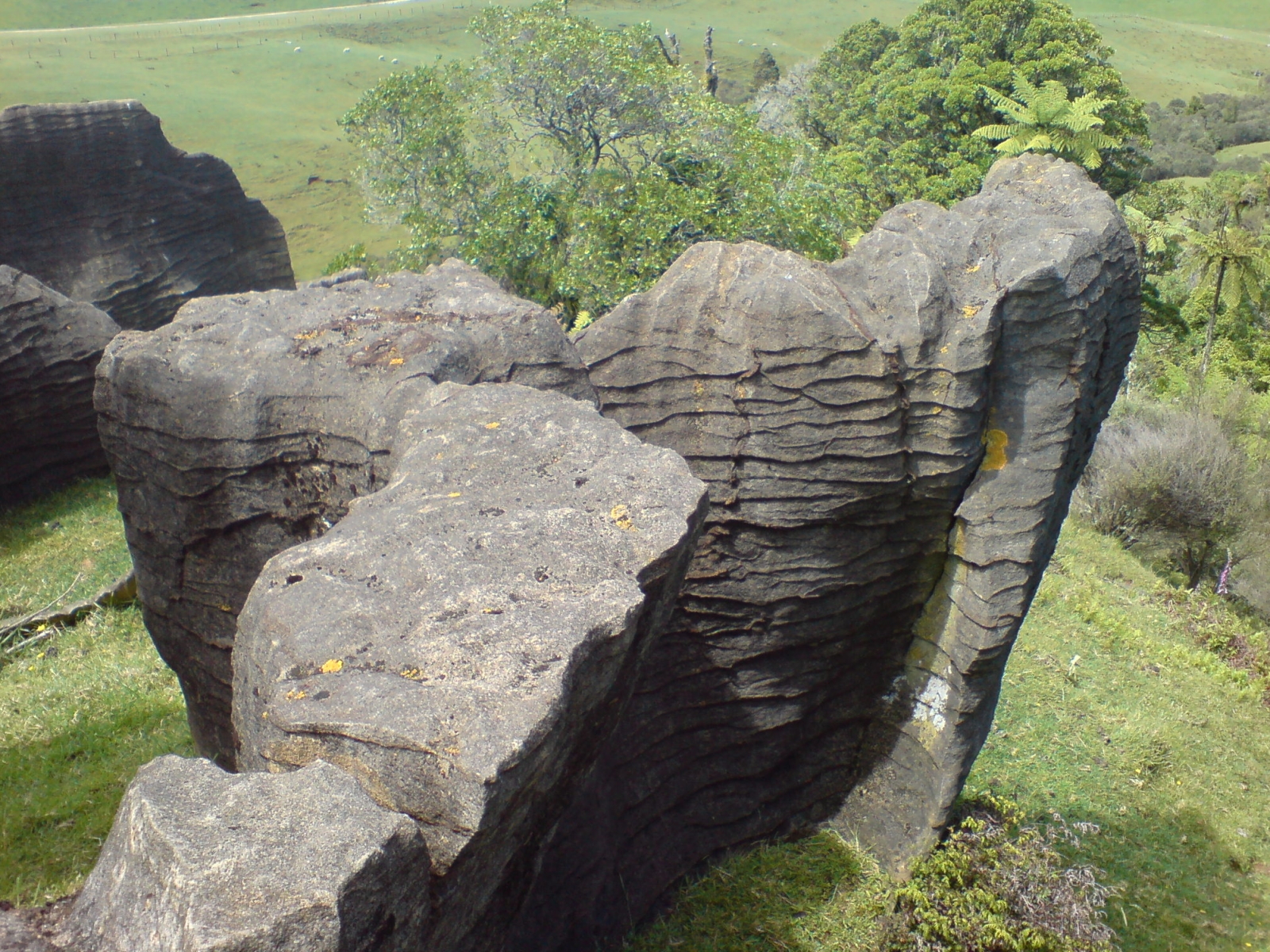
Layers of sedimentary rock
Rock Types

Guide to Rock Types: Sedimentary, Igneous, and Metamorphic

An overview of the three principal rock categories, how each forms, and where each type appears within the geological record of Central Europe. Includes field identification characteristics and common Polish examples.
Updated June 2026

The Three Rock Types at a Glance

Understanding the origin of a rock is the starting point for any geological investigation. Each category records a different chapter in Earth's history.

Limestone formation
Sedimentary

Sedimentary Rocks

Formed by the compaction and cementation of particles deposited by water, wind, or ice. Limestone, sandstone, and shale are the most common sedimentary types in Poland, particularly in the Kraków region and the Silesian lowlands.

Granite rock
Igneous

Igneous Rocks

Crystallised from magma, either deep within the crust (intrusive) or at the surface (extrusive). Granite bodies appear in the Sudeten Foreland; basalt outcrops are documented in the Lower Silesia volcanic field near Złotoryja.

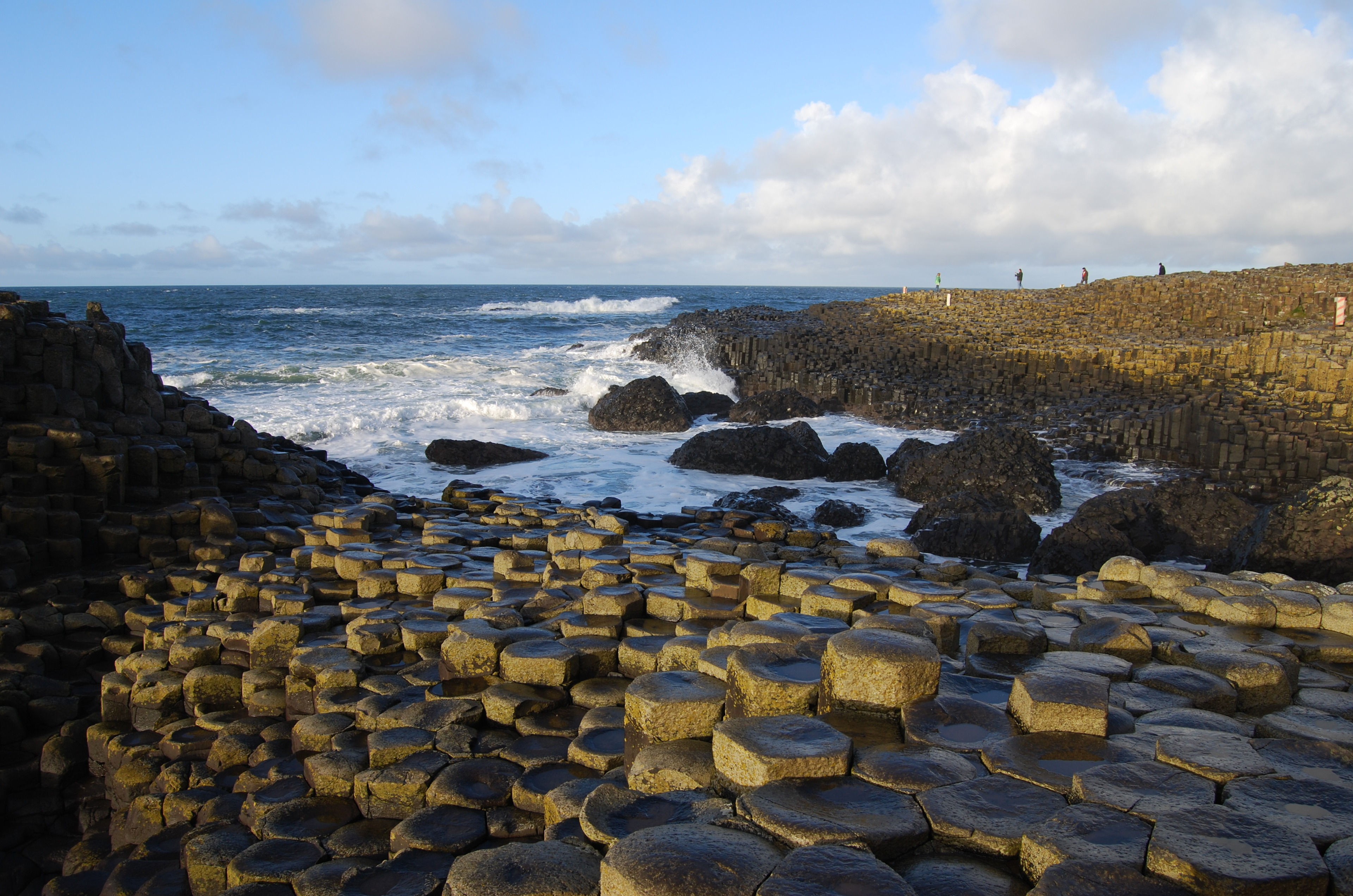
Basalt columnar jointing
Metamorphic

Metamorphic Rocks

Produced when existing rocks are subjected to heat and pressure without melting. Gneiss, schist, and marble exposures occur throughout the Sudeten mountain range and in the Tatras in southern Poland.

Minerals Found in Polish Outcrops

Poland's varied geology produces a wide range of mineral specimens, from the quartz veins of the Sudeten to the calcite-rich limestone formations of the Kraków–Częstochowa Upland.

Quartz crystal
Silicate

Quartz

Hardness 7 on the Mohs scale. Conchoidal fracture, glassy luster. Occurs as vein quartz in the Karkonosze granite massif and as rock crystal in the Lower Silesian pegmatites.

Rock surface detail
Carbonate

Calcite

Hardness 3, three perfect cleavage directions. Effervesces readily in dilute hydrochloric acid. The primary mineral in the Devonian and Jurassic limestones of the Holy Cross Mountains.

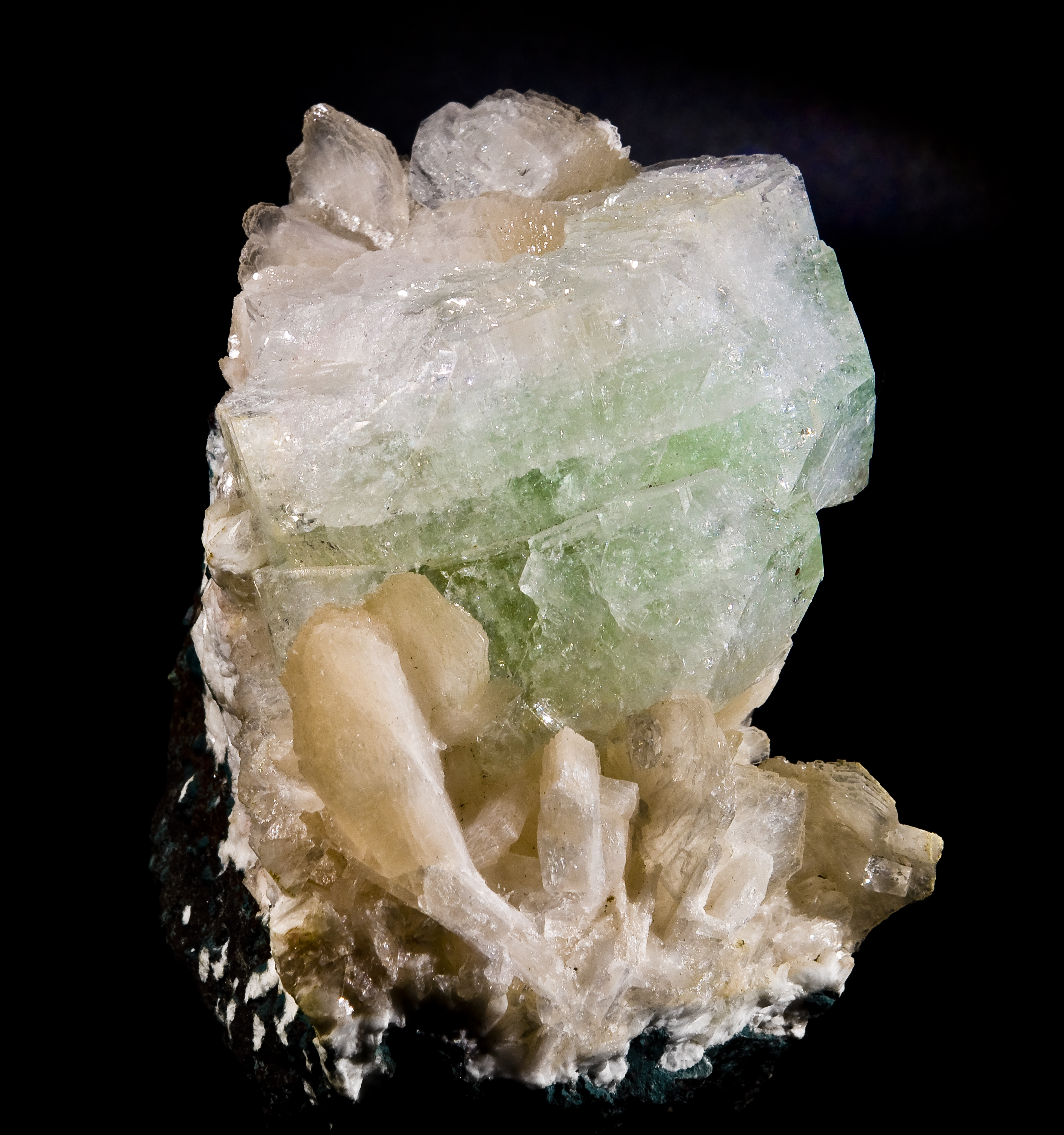
Mineral specimen
Phyllosilicate

Mica Group

Muscovite and biotite form thin, flexible sheets with perfect basal cleavage. Characteristic of granites, pegmatites, and schists in the Sudeten, where both species can be found in hand samples.

Fossil Localities in Poland

Ammonite fossil
Jurassic Invertebrates

Ammonites of the Kraków–Częstochowa Upland

The Jurassic limestone exposures stretching between Kraków and Częstochowa contain well-preserved ammonites, belemnites, and bivalves. Road cuts along the Kraków-Częstochowa Trail and quarry faces near Ogrodzieniec expose Upper Jurassic strata with accessible fossil material.

Updated June 2026
Trilobite fossil
Palaeozoic

Trilobites of the Holy Cross Mountains

Devonian and Ordovician sequences in the Świętokrzyskie Mountains yield trilobite remains, including species of Phacops and Dalmanites. The Barczów and Bukowa Góra sections are documented sites in the geological literature of the Polish Geological Institute (PIG-PIB).

Updated June 2026

Get in Touch

For editorial questions or corrections to published content, use the form below. Fields marked with an asterisk are required.

Sending...
Contact Information
Email
editorial@plainstonejournal.eu
Domain
plainstonejournal.eu
Region
Poland, Central Europe
This site contains general educational information only. Fossil collection in Poland is subject to Polish nature protection law. Always verify current regulations before conducting fieldwork.